
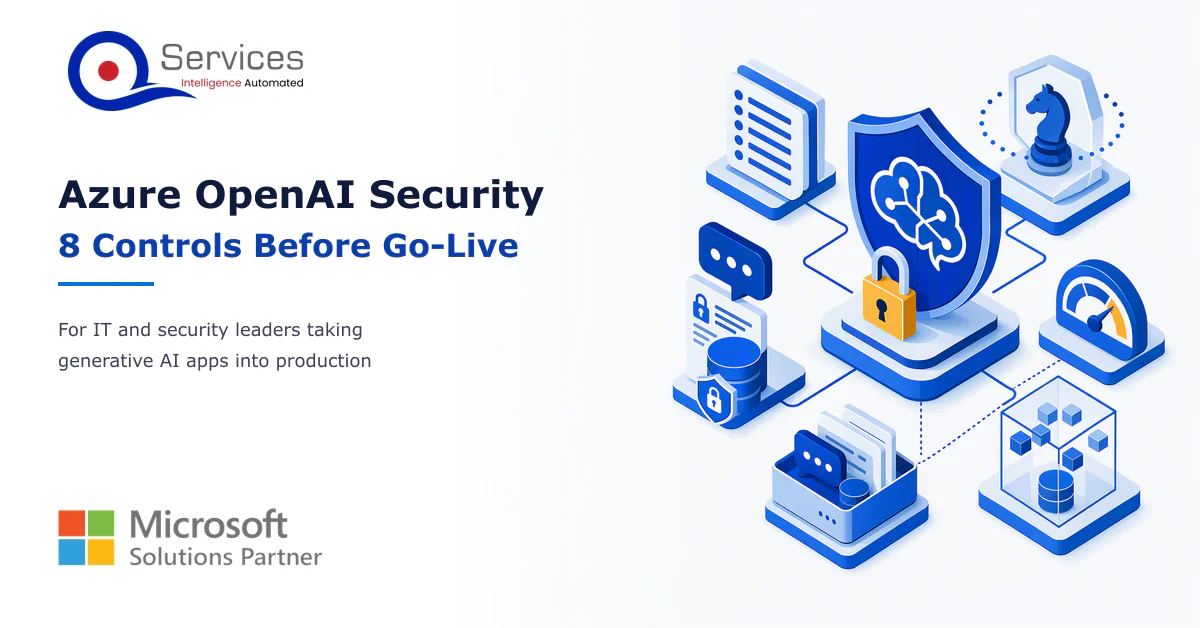
Azure OpenAI Security: 8 Controls to Set Before Go-Live
Azure OpenAI security for production apps: identity, private networking, content filters, prompt injection defenses and monitoring to set before go-live.
Azure OpenAI security for production apps: identity, private networking, content filters, prompt injection defenses and monitoring to set before go-live.
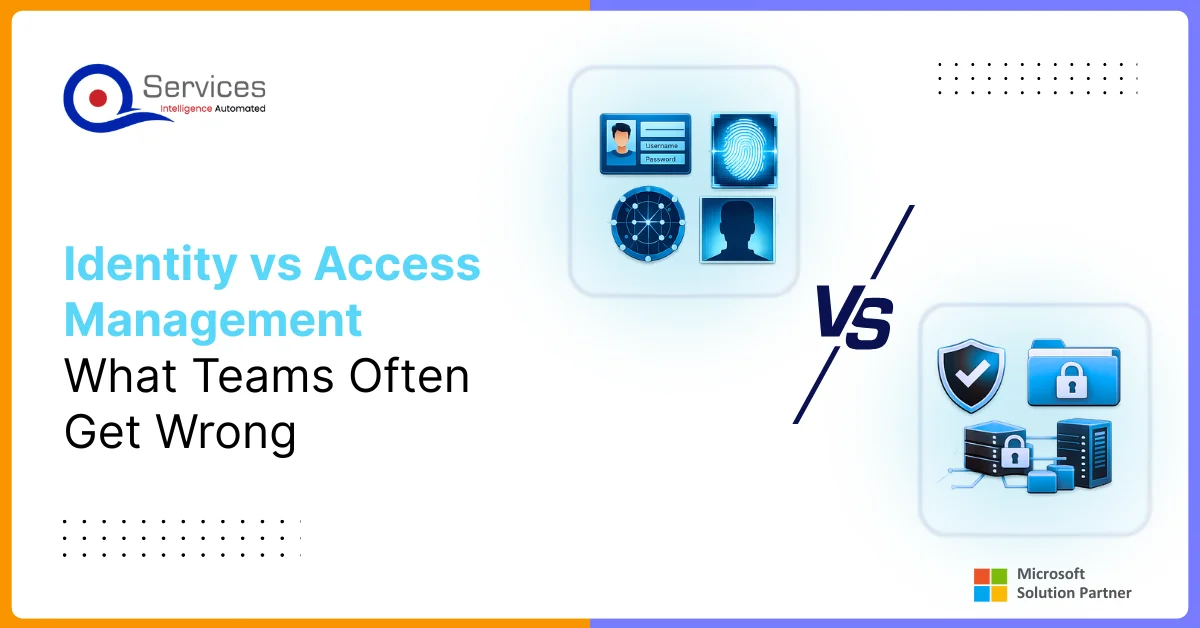
Many enterprise teams treat identity and access as if they are the same thing. They aren’t. Identity confirms who a user is. Access defines what that user is allowed to do. Assuming that an authenticated identity automatically deserves access is one of the most common—and costly organizational security mistakes.
Most enterprises did not choose to be here. Core systems were built to be stable, not adaptable. Over time, layers of customization, integrations, and workarounds turned reliability into rigidity. Today, every new digital initiative feels harder than it should be.
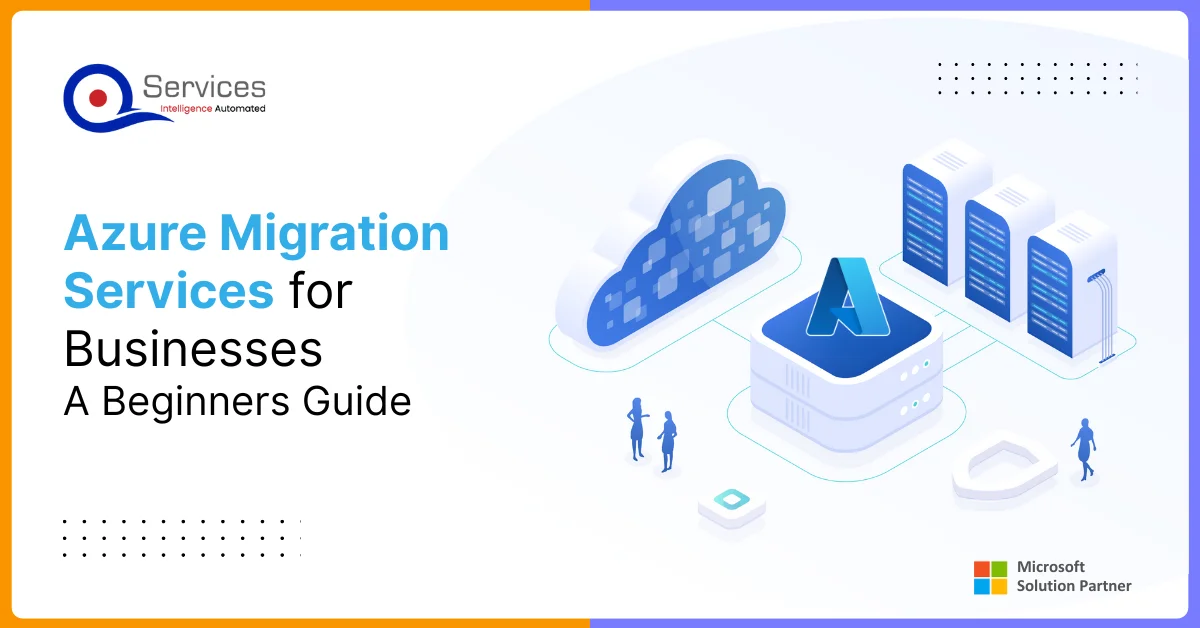
Recent industry data shows that most enterprises now treat Azure Migration Services as a core part of their IT modernization plans rather than a one time project. Businesses are actively prioritizing cloud migration to Azure to improve reliability, security, and long term cost control.
In 2026, moving workloads to Azure cloud migration is not just about transferring data. It’s about making the whole process smarter, more automatic, and easier to manage while keeping compliance and security tight.
The way small and medium-sized businesses (SMBs) operate has changed more in the past five years. Traditional systems that once felt reliable are now holding teams back. Data lives in silos, processes rely on too much manual work, and the cost of maintaining legacy servers keeps growing. So how do businesses modernize without disrupting what’s already working?
