





Azure AI Foundry is reshaping how enterprise teams build, deploy, and govern AI at scale, and the comparison with AWS
Architecture map, prioritized backlog, 15/20/45 plan, and risk register — ready for your board.
One workflow shipped end-to-end with audit trail, monitoring, and full handover to your team.
Stabilize a stalled project, identify root causes, reset delivery, and build a credible launch path.
Monitoring baseline, incident cadence targets, and ongoing reliability improvements for your integrations.
Answer 3 quick questions and we'll recommend the right starting point for your project.
Choose your path →Turn scattered data into dashboards your team actually uses. Weekly reporting, KPI tracking, data governance.
Cloud-native apps, APIs, and infrastructure on Azure. Built for scale, maintained for reliability.
Automate manual processes and build internal tools without the overhead of custom code. Power Apps, Power Automate, Power BI.
Sales pipelines, customer data, and service workflows in one place. Configured for how your team actually works.
Custom .NET/Azure applications built for workflows that off-the-shelf tools can't handle. Your logic, your rules.
Every engagement starts with a clear plan. In 10 days you get:
Patient data systems, compliance reporting, and workflow automation for regulated environments.
Real-time tracking, route optimization, and inventory visibility across your distribution network.
Scale your product infrastructure, integrate third-party tools, and ship features faster with reliable ops.
Secure transaction processing, regulatory reporting, and customer-facing portals for financial services.
Get a clear plan in 10 days. No guesswork, no long proposals.
See case studies →Download our free checklist covering the 10 steps to a successful delivery blueprint.
Download free →15-minute call with a solutions architect. No sales pitch — just clarity on your project.
Book a call →Home » Power Virtual Agents
Your Go-To Chatbot Solution by QServices
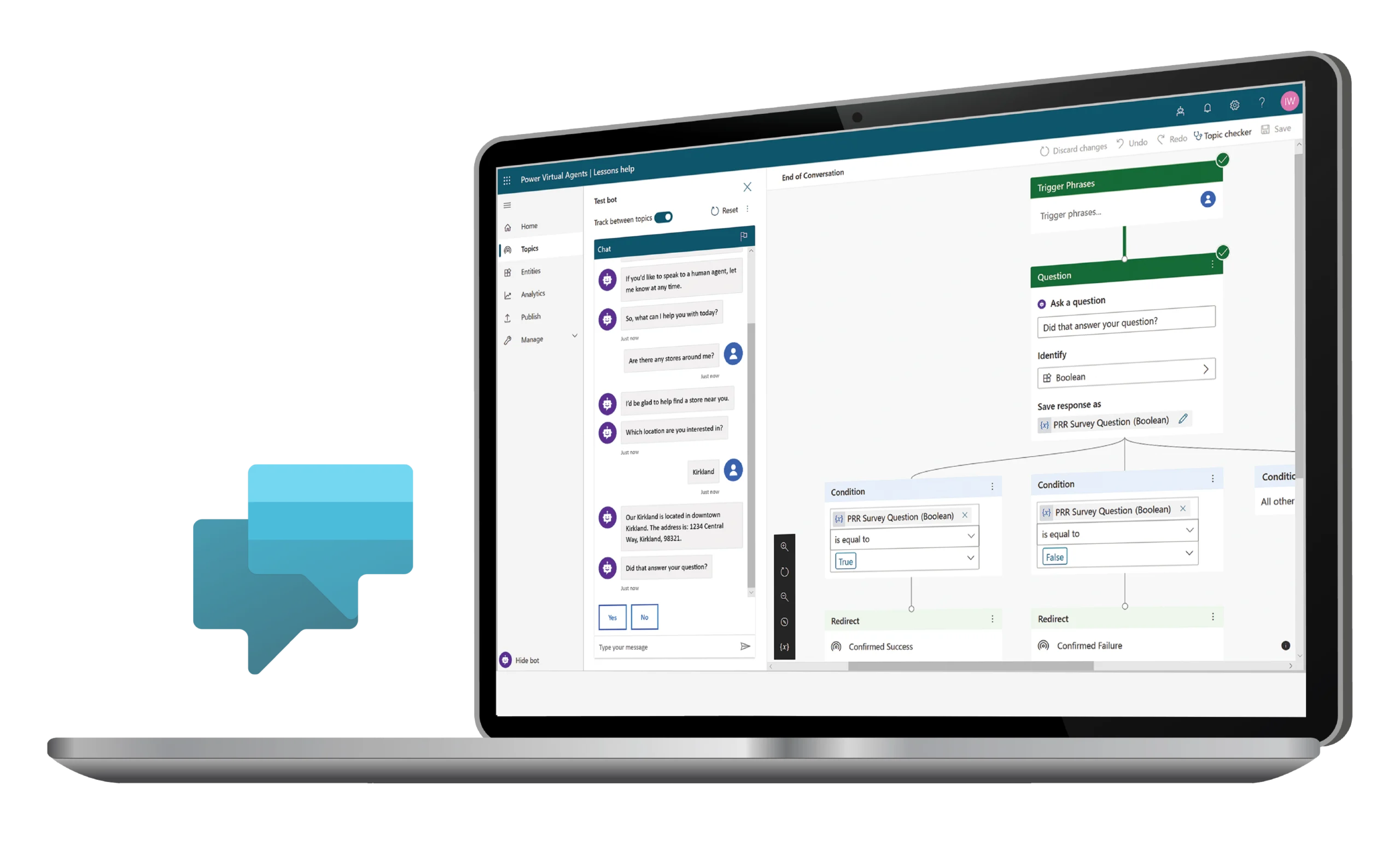
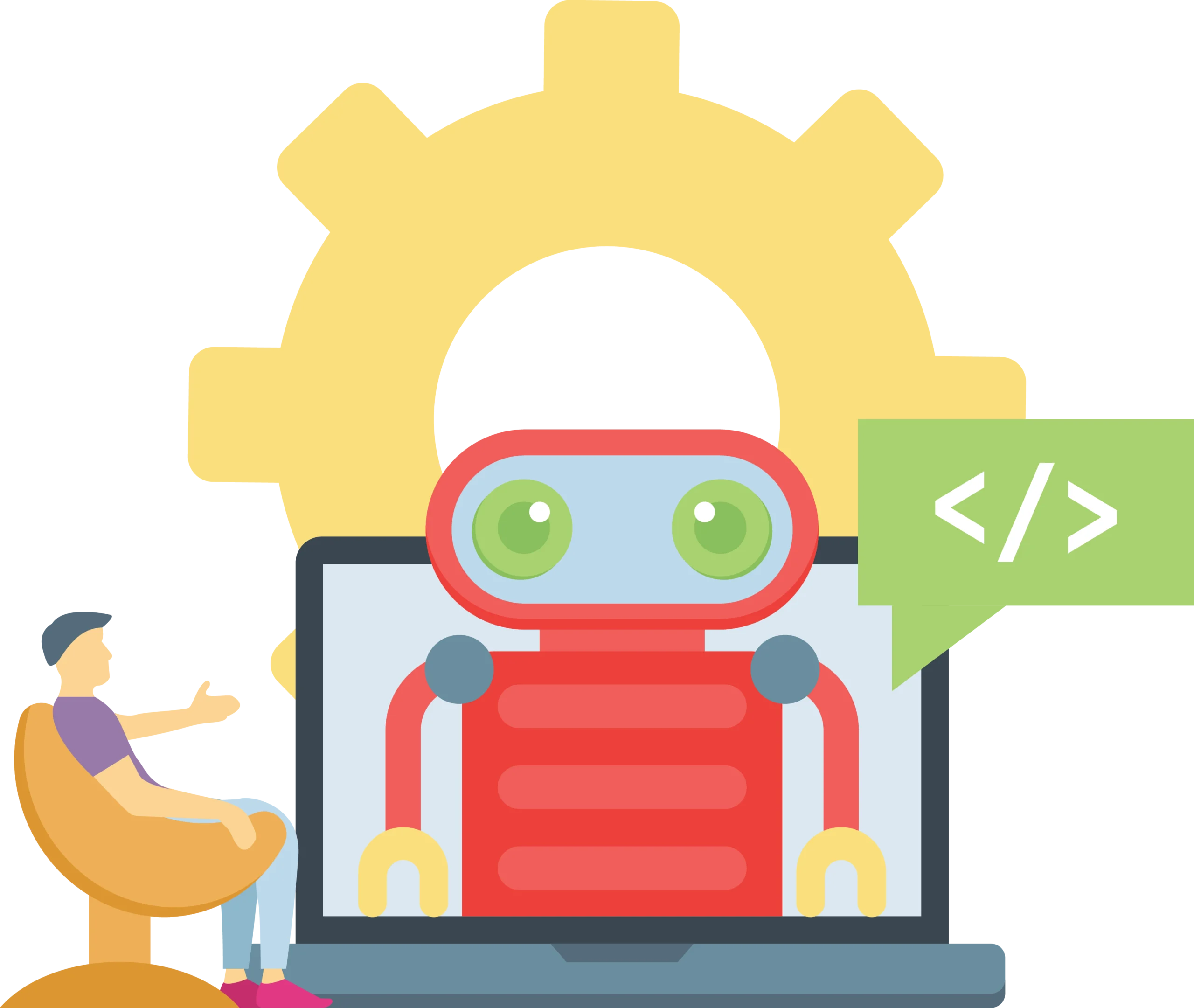
Power Virtual Agents by Microsoft are revolutionizing the way businesses interact with their customers. These advanced chatbot technology solutions empower organizations to create intelligent, AI-driven chatbots without requiring extensive coding knowledge. This democratization of chatbot creation is a game changer for companies looking to enhance customer engagement.
Imagine having a tool that allows you to swiftly develop and deploy chatbots capable of handling complex queries and providing instant responses. With Power Virtual Agents, businesses can streamline their customer service operations, reduce response times, and improve overall satisfaction. The integration of AI chatbots in your customer engagement strategy not only saves time but also ensures that your team can focus on more strategic tasks.
Moreover, Microsoft Power Virtual Agents seamlessly integrates with other Microsoft services and third-party applications, making it an essential component of any modern digital strategy. By harnessing the power of these customer engagement tools, organizations can stay ahead of the competition and foster stronger relationships with their clients. Don’t miss out on the opportunity to transform your business—embrace Power Virtual Agents today!


Begin with basic functionalities and gradually add more complex features as you become comfortable with the platform.
Ensure that your chatbot uses clear and concise language that aligns with user expectations.
Regularly test your bot during development to catch issues early and ensure smooth user experiences.
After deployment, solicit feedback from users to identify areas for improvement.
By following these steps and tips, you’ll be well on your way to creating an effective Power Virtual Agent chatbot that meets your business needs while leveraging QServices-Process Automation Partner for enhanced functionality.
Power Virtual Agents is a no-code platform that allows users to create intelligent chatbots capable of engaging in conversations with customers or employees. These bots can answer questions, provide information, and automate tasks across various channels, including websites and Microsoft Teams.
While Power Virtual Agents is included with certain Microsoft 365 subscriptions, deploying bots outside of Microsoft Teams or integrating them with external services typically requires a paid license.
Common use cases include:
Customer Support: Answering FAQs and providing information about products or services.
Employee Onboarding: Assisting new hires with necessary information and forms.
Information Retrieval: Helping users find documents or resources through guided questions.
Sales Assistance: Providing quick access to product details, pricing, and stock availability.
A basic FAQ bot can be created in just a couple of days. More complex bots may take between 5 to 10 days depending on the sophistication of the desired functionalities.
No, Power Virtual Agents is designed for non-developers. It features a user-friendly interface that allows anyone to create chatbots without coding knowledge.

Azure AI Foundry is reshaping how enterprise teams build, deploy, and govern AI at scale, and the comparison with AWS

React Native is a cross-platform framework built by Meta that allows development teams to write a shared JavaScript codebase and deploy to both iOS and Android. For enterprise architects evaluating mobile strategy in 2025, the choice between react native development, Flutter, and Xamarin goes well beyond which syntax your team prefers. It touches deployment timelines, maintenance costs, existing skill sets, and how tightly the front end needs to connect to your backend infrastructure.
This post breaks down all three frameworks across performance, developer experience, enterprise support, and Azure cloud integration. By the end, you’ll have a clear picture of which framework fits your organization, and when alternatives like Power Apps make more sense than a custom mobile build.

AI agent governance is the practice of establishing policies, controls, and human oversight mechanisms that determine how AI agents operate, make decisions, and interact with business systems. For enterprises deploying AI today, this isn’t optional paperwork. It’s the difference between AI that delivers measurable value and AI that creates liability.
The pressure to ship AI quickly is real. Microsoft Copilot, Azure OpenAI, and Power Platform’s AI Builder have made it easier than ever to wire autonomous agents into workflows. But “easy to deploy” doesn’t mean “safe to leave unsupervised.” Every enterprise that skipped governance in the rush to launch has eventually paid for it, whether through data leaks, compliance failures, or decisions no one can explain to an auditor.
This post covers why human-in-the-loop (HITL) oversight is non-negotiable for enterprise AI, what a real governance framework looks like, and how QServices approaches this with clients across healthcare, banking, and logistics.
Explore our portfolio for success stories. Here, we spotlight case studies reflecting technology's impact, empowering businesses and individuals to achieve success.
Explore More >>
GovWins is an all-inclusive software solution that simplifies government contract complexities. It offers an easy-to-use platform that guides businesses through the contracting…
Loan Cirrus is your modern financial companion, reimagining the loan experience for you. It is your go-to destination for tailored loan solutions that align with your goals and dreams…
Optrax is a mobile application that tracks employee activity based on their location. It allows employees and site managers to create and log in to accounts…
The project centres around an innovative mobile networking application known as “Ask Around” that seamlessly connects users with local service…
Odenza Vacations sought to overhaul their online booking platform to tackle several key challenges. Their existing system struggled with a cumbersome booking…

Founder and CEO

Chief Sales Officer