Azure Integration Services Explained: Logic Apps, Service Bus, API Management, and Event Grid Rohit Dabra | July 10, 2026 Table
Architecture map, prioritized backlog, 15/20/45 plan, and risk register — ready for your board.
One workflow shipped end-to-end with audit trail, monitoring, and full handover to your team.
Stabilize a stalled project, identify root causes, reset delivery, and build a credible launch path.
Monitoring baseline, incident cadence targets, and ongoing reliability improvements for your integrations.
Answer 3 quick questions and we'll recommend the right starting point for your project.
Choose your path →Turn scattered data into dashboards your team actually uses. Weekly reporting, KPI tracking, data governance.
Cloud-native apps, APIs, and infrastructure on Azure. Built for scale, maintained for reliability.
Automate manual processes and build internal tools without the overhead of custom code. Power Apps, Power Automate, Power BI.
Sales pipelines, customer data, and service workflows in one place. Configured for how your team actually works.
Custom .NET/Azure applications built for workflows that off-the-shelf tools can't handle. Your logic, your rules.
Every engagement starts with a clear plan. In 10 days you get:
Patient data systems, compliance reporting, and workflow automation for regulated environments.
Real-time tracking, route optimization, and inventory visibility across your distribution network.
Scale your product infrastructure, integrate third-party tools, and ship features faster with reliable ops.
Secure transaction processing, regulatory reporting, and customer-facing portals for financial services.
Get a clear plan in 10 days. No guesswork, no long proposals.
See case studies →Download our free checklist covering the 10 steps to a successful delivery blueprint.
Download free →15-minute call with a solutions architect. No sales pitch — just clarity on your project.
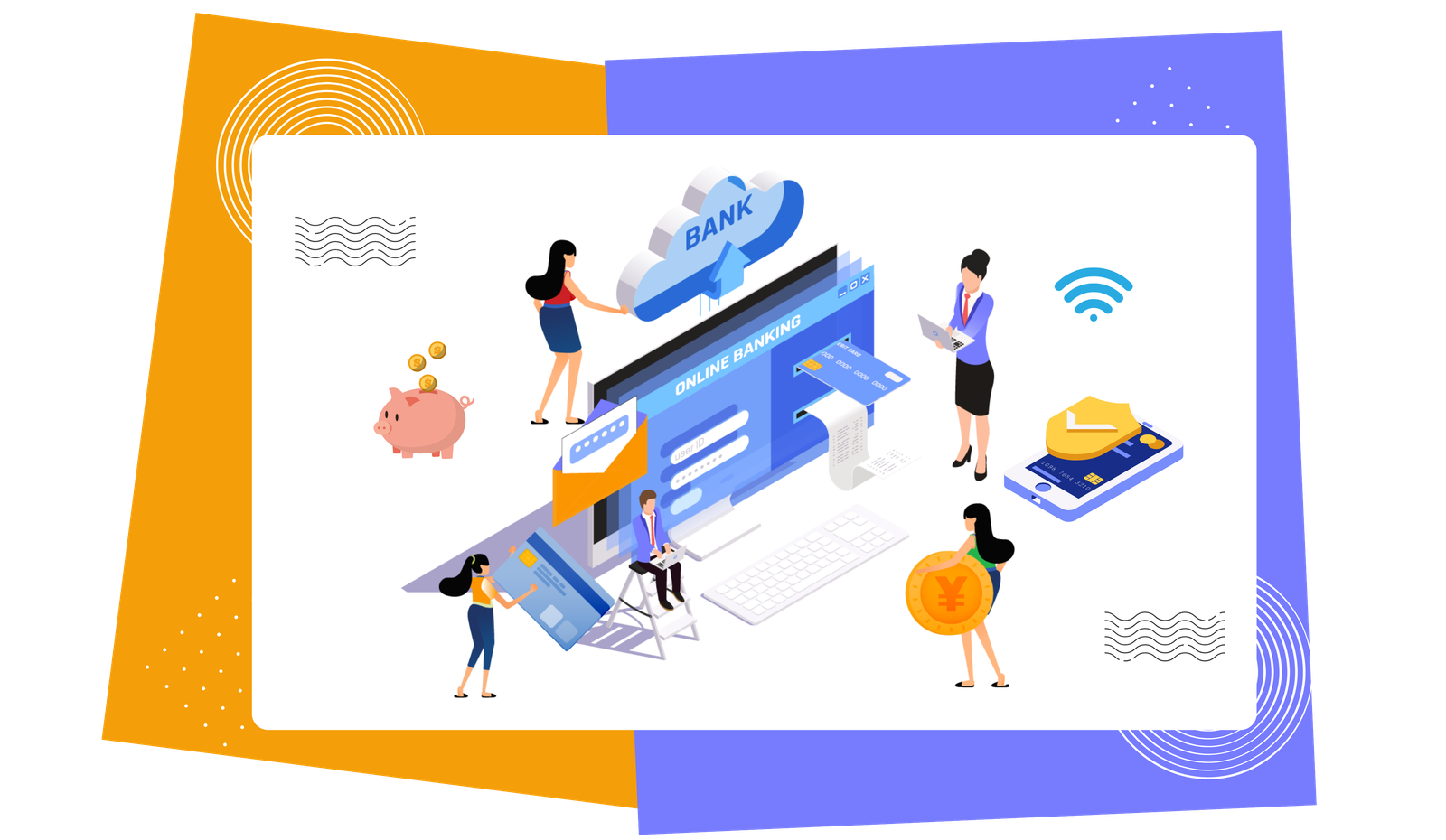
Book a call →Transform your legacy systems into agile, scalable, and future-ready digital banking platforms. At QServices, we help banks and financial institutions break service limits and deliver seamless customer experiences with cloud-native banking applications.
Traditional banking systems struggle to keep pace with evolving customer expectations, increasing regulatory demands, and the growing disruption from fintech companies. The market for cloud-native applications is projected to reach $30.24 billion by 2030, and here’s why cloud-native apps are becoming essential for the future of banking:
Scale rapidly to handle millions of transactions with zero downtime
Accelerate time-to-market for new products and features.
Ensure continuous compliance with industry regulations.
Deliver exceptional customer experiences across platforms.
We don’t just stick to developing cloud-native apps; instead, we provide:
Core Banking Modernization
We help you move away from monolithic legacy systems to cloud-native core platforms that are modular, API-first, and real-time.
Digital Wallet & Payment Gateways
Develop secure, PCI-DSS-compliant wallet systems and seamless payment integrations with global providers like Stripe, PayPal, and Razorpay.
Loan Origination & Credit Systems
Automate your credit approval lifecycle with scalable, microservices-driven loan platforms tailored to your business rules.
Mobile & Web Banking Apps
Deliver intuitive, omnichannel banking experiences through responsive, user-friendly apps powered by Kubernetes, containers, and CI/CD.
API Banking & Open Banking
Enable third-party fintech integrations with secure, compliant APIs for Open Banking, PSD2, and beyond.
Cloud-native applications are built on trusted platforms like Microsoft Azure, AWS, and Google Cloud (GCP), so banks no longer need to manage compliance complexities on their own.
Banking-Grade Security: Data encryption, secure access control, and threat monitoring built into every layer.
Regulatory Compliance: SOC 2, ISO 27001, GDPR, and regional banking regulations are part of our development DNA.
DevSecOps: Integrated security and governance in every stage of the CI/CD pipeline.


At QServices, we offer a comprehensive suite of solutions designed to elevate your financial technology and banking systems. Here’s why you should choose us:
Domain Expertise in Financial Technology and Banking Systems
We bring deep industry knowledge and experience to deliver tailored solutions that meet the unique challenges of the banking sector.
Custom, Scalable Architectures Aligned with Your Business Goals
Our cloud-native solutions are designed to grow with your business, ensuring scalability and flexibility to support your long-term objectives.
24/7 Support & Maintenance for Mission-Critical Applications
With around-the-clock support and maintenance, we ensure that your systems remain operational, secure, and efficient, no matter the time or day.
Agile Delivery to Bring Your Digital Vision to Life, Fast
We follow agile methodologies to deliver projects quickly and efficiently, bringing your digital transformation to life with minimal delay.
Whether you’re a challenger bank, a digital lender, or a traditional financial institution modernizing for the future, QServices is your trusted strategic partner in cloud-native solutions.
Costs vary based on specific requirements, but cloud-native solutions can reduce long-term expenses by minimizing infrastructure maintenance, enabling faster innovation, and improving operational efficiency.
Common technologies include Kubernetes for container orchestration, Docker for containerization, microservices architectures, cloud platforms like AWS and Azure, and modern programming frameworks like .NET and Node.js.
Yes, they offer comprehensive support throughout the digital transformation journey, including consultation, implementation, and ongoing maintenance of cloud-native banking platforms.
Cloud-native solutions use redundant infrastructure and multi-region deployments to ensure data backup, minimal downtime, and quick recovery in case of service interruptions.
Most platforms offer flexible API integrations with popular payment providers like Stripe, PayPal, and local payment systems, ensuring seamless transaction processing.
Implementation timelines vary, but agile methodologies can help banks transition within 3-12 months, depending on the complexity of existing systems and specific transformation goals.
Absolutely. These platforms are designed to deliver seamless, responsive experiences across multiple channels, ensuring consistent functionality on smartphones, tablets, and web browsers.
Cloud platforms integrate compliance mechanisms directly into their infrastructure, automatically supporting regional and international banking regulations through built-in security and governance features.
Yes, these scalable solutions can be tailored to fit banks of all sizes, offering cost-effective ways to modernize infrastructure and improve digital service delivery.
Contact our technical experts and get a free consultation to discuss your specific needs. We’ll assess your current systems and develop a customized cloud-native transformation strategy.

Have a one on one discussion with our Expert Panel
Explore our portfolio for success stories. Here, we spotlight case studies reflecting technology's impact, empowering businesses and individuals to achieve success.
Explore More >>
GovWins is an all-inclusive software solution that simplifies government contract complexities. It offers an easy-to-use platform that guides businesses through the contracting…
Loan Cirrus is your modern financial companion, reimagining the loan experience for you. It is your go-to destination for tailored loan solutions that align with your goals and dreams…
Optrax is a mobile application that tracks employee activity based on their location. It allows employees and site managers to create and log in to accounts…
The project centres around an innovative mobile networking application known as “Ask Around” that seamlessly connects users with local service…
Odenza Vacations sought to overhaul their online booking platform to tackle several key challenges. Their existing system struggled with a cumbersome booking…

Azure Integration Services Explained: Logic Apps, Service Bus, API Management, and Event Grid Rohit Dabra | July 10, 2026 Table

Power BI Embedded is Microsoft’s developer-focused API for embedding interactive analytics directly inside third-party apps, customer portals, and SaaS products. If you are building software and want customers to see live dashboards without logging into the Power BI service, this is where that journey starts. The question is not whether you can embed Power BI reports, you almost certainly can. The real question is whether it makes financial and architectural sense for your specific situation. This guide covers the when, the how, and the cost math that most tutorials skip.

Power apps portals sit at an interesting crossroads for IT leaders: they’re fast, deeply integrated with the Microsoft stack, and manageable without a dedicated development team. But they’re also constrained in ways that matter when your business needs a portal that handles complex UI logic, third-party integrations outside the Microsoft ecosystem, or pixel-perfect UX design.
This guide gives you a straight comparison so you can make the right call without spending three months in discovery. We’ll cover what each option actually delivers, where each breaks down, and the governance questions that need answers before you commit either way.
If you’re evaluating your Microsoft stack more broadly, our breakdown of Power Platform vs Custom .NET Development provides useful parallel context.

Founder and CEO

Chief Sales Officer