









Dynamics 365 CRM gives small and medium-sized businesses a real edge in sales automation, yet most SMBs either underuse it
Architecture map, prioritized backlog, 15/20/45 plan, and risk register — ready for your board.
One workflow shipped end-to-end with audit trail, monitoring, and full handover to your team.
Stabilize a stalled project, identify root causes, reset delivery, and build a credible launch path.
Monitoring baseline, incident cadence targets, and ongoing reliability improvements for your integrations.
Answer 3 quick questions and we'll recommend the right starting point for your project.
Choose your path →Turn scattered data into dashboards your team actually uses. Weekly reporting, KPI tracking, data governance.
Cloud-native apps, APIs, and infrastructure on Azure. Built for scale, maintained for reliability.
Automate manual processes and build internal tools without the overhead of custom code. Power Apps, Power Automate, Power BI.
Sales pipelines, customer data, and service workflows in one place. Configured for how your team actually works.
Custom .NET/Azure applications built for workflows that off-the-shelf tools can't handle. Your logic, your rules.
Every engagement starts with a clear plan. In 10 days you get:
Patient data systems, compliance reporting, and workflow automation for regulated environments.
Real-time tracking, route optimization, and inventory visibility across your distribution network.
Scale your product infrastructure, integrate third-party tools, and ship features faster with reliable ops.
Secure transaction processing, regulatory reporting, and customer-facing portals for financial services.
Get a clear plan in 10 days. No guesswork, no long proposals.
See case studies →Download our free checklist covering the 10 steps to a successful delivery blueprint.
Download free →15-minute call with a solutions architect. No sales pitch — just clarity on your project.
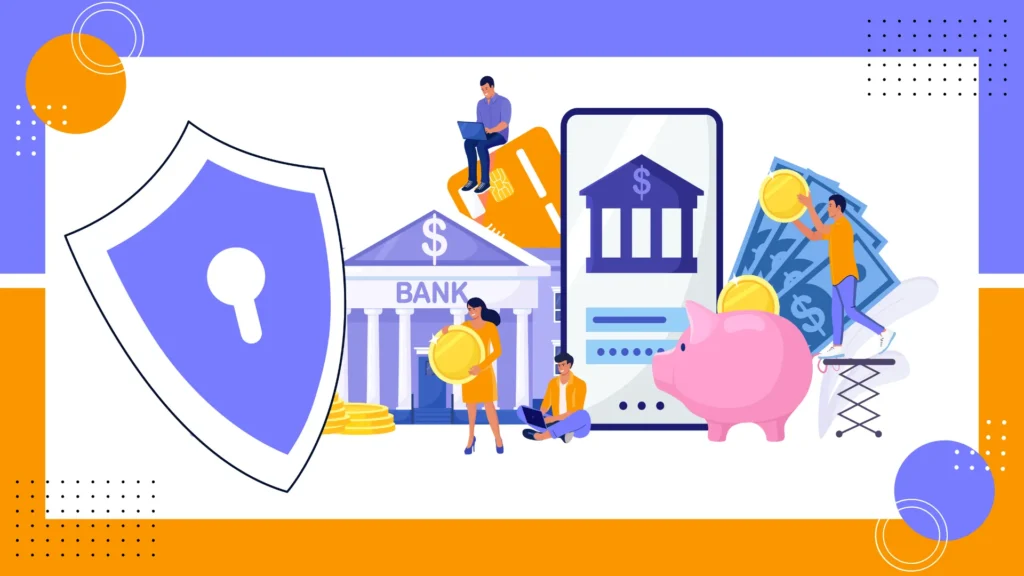
Book a call →Deliver uninterrupted banking services, even in the most challenging scenarios, with QServices‘ disaster recovery and business continuity solutions. Protect against system crashes, data breaches, natural disasters, and more—all with an easy and reliable approach.
Disasters come without warning, and within a blink of an eye, they can wipe out months or even years of growth. For banks, it’s not a technical glitch; it’s a reputational killer. Without any backup plan, banks may:
Average cost of downtime in the financial sector is $9,000 per minute.
Nearly 33% of banking customers switch providers after a single bad experience.
Downtime-related violations can result in fines exceeding $1 million
Rebuilding trust post-incident can take 2-5 years in the financial industry
We help you build or audit your Business Continuity Plan (BCP) so that your bank can continue operations even during disruptions.
Our team sets up your disaster recovery plan across all environments using Microsoft Azure’s flexible cloud and hybrid tools.
We create custom disaster recovery plans to keep your applications and core banking systems up and running during a crisis.
We understand that fast recovery is essential for your bank’s operations, that’s why we:
We don’t just plan for recovery; we also test it for you.
QServices banking expertise + Azure’s capabilities = Robust data backup and quick business continuity.
Get multiple copies of your data backed up across several Azure regions—No single point of failure.
With Azure technologies, experience up to 80% faster recovery than traditional methods.
Bring critical systems online in under 5 minutes with fully operational virtual servers.
Receive real-time alerts and automatic recovery workflows the moment something goes wrong.
Proactively deal with disaster by safely simulating scenarios, with zero impact on live systems.
A bank without disaster backup is a bank risking its future. Every minute of downtime can cost millions of dollars, and waiting may lead to even greater data and financial loss when the unexpected happens. Don’t delay—act before disaster does.
We don’t offer basic DR plans that work for every bank. We use our banking expertise to design continuity solutions based on bank’s size, compliance requirements, and the speed your customers demand.
Every solution we offer is tested through DR simulations and aligned with auditor expectations. You won’t be caught off-guard when regulators ask for your BCP.
While others recover in days, we recover your systems in minutes. Our team knows how important it is to be back on track.
Most emerging and mid-sized FIs can’t afford to face disaster-related challenges. Months of built-up trust, growth, and reliability can vanish in an instant.
Banks can’t stop disasters from happening, but they can control the damage. Equip your bank with QServices’ disaster recovery and business continuity solutions to stay protected.
Business continuity focuses on keeping operations running during disruptions, while disaster recovery specifically addresses restoring IT systems and data after an incident has occurred.
Most regulatory frameworks require critical banking systems to recover within 4 hours. Core transaction systems typically need even faster recovery times—often less than 15 minutes.
Recovery Time Objective (RTO) is how quickly systems must be restored after disruption. Recovery Point Objective (RPO) defines the maximum acceptable data loss measured in time.
Yes, Azure complies with banking regulations including SOX, PCI DSS, and GDPR. Microsoft offers compliance certifications specifically designed for financial institutions deploying cloud disaster recovery.
Yes, QServices specializes in creating hybrid disaster recovery solutions that protect both modern cloud applications and legacy core banking systems that may be decades old.
Banks without proper disaster recovery plans face regulatory penalties, potential litigation, significant financial losses from extended downtime, and severe reputational damage affecting customer trust.
Yes, specialized cyber insurance policies cover disaster recovery costs including system restoration, crisis management, forensic services, and potential liability resulting from service disruptions.
For mid-sized banks, QServices typically completes disaster recovery implementation within 4-12 weeks, depending on infrastructure complexity and required testing cycles before going live.
Geo-redundancy involves maintaining duplicate data and systems across geographically dispersed locations, ensuring banking operations can continue even if an entire region experiences an outage.
QServices builds disaster recovery solutions specifically aligned with banking regulations, provides documentation for auditors, and conducts regular compliance testing to meet regulatory expectations.

Have a one on one discussion with our Expert Panel
Explore our portfolio for success stories. Here, we spotlight case studies reflecting technology's impact, empowering businesses and individuals to achieve success.
Explore More >>
GovWins is an all-inclusive software solution that simplifies government contract complexities. It offers an easy-to-use platform that guides businesses through the contracting…
Loan Cirrus is your modern financial companion, reimagining the loan experience for you. It is your go-to destination for tailored loan solutions that align with your goals and dreams…
Optrax is a mobile application that tracks employee activity based on their location. It allows employees and site managers to create and log in to accounts…
The project centres around an innovative mobile networking application known as “Ask Around” that seamlessly connects users with local service…
Odenza Vacations sought to overhaul their online booking platform to tackle several key challenges. Their existing system struggled with a cumbersome booking…

Dynamics 365 CRM gives small and medium-sized businesses a real edge in sales automation, yet most SMBs either underuse it

Power BI dashboards give SMBs the same real-time visibility that enterprise teams used to pay hundreds of thousands for, and
Azure cost optimization is the single most impactful action most SMBs can take today to recover IT budget without reducing