About us
 Who We are
 Our Products
 E-books
 Contact us
 Skilled Tasker
 Speedo Delivery
 Best Match
 Locate Bee
 Load Near Me
 Hire dotnet Developer
 Hire Flutter Developer
 Hire Hybrid Developer
 Hire Android Developer
 Hire Frontend Developer
 Hire ReactJS Developer
 Hire NodeJS Developer
 Hire Xamarin Developer
 Hire iOS Developer
 Hire WordPress Developer
 Power BI
 Power Pages
 Copilot Studio
 Power Automation
 Power Apps
 Power Virtual Agents
 Developer Tools
 Databases
 DevOps
 Identity
 Integration
 Management and Governance
 Internet of Things
 Migration
 Mobile
 Security
 Web
Web
 Analytics
 Sales
Sales
 Marketing
 HR
HR
 Supply Chain Management
 Intelligent Order Management
 Flutter Development
 Ionic Development
 Angular JS
 JavaScript
 Wearable
 AR VR
AR VR
 MongoDB
 Amazon Web Services
 MySQL
MySQL
 MSSQL
MSSQL
 Azure Development
 User Experience
 User Interface and Evaluation
 User Experience Review
 Digital Marketing
 Social Media Marketing
 PPC
PPC
 SEO
SEO
 IT consultation services
 Dev Ops
 Launching and Growth Hacking
 Scope of Work
 Product Discovery Workshop
 Strategic Business Analysis
 Food And Beverage
 Banking and Financial
 Travel and Tourism
 Oil and Gas
 Energy and Utility
 E-commerce
 Media and Social
 Healthcare
 Hospitality
 Education
 Real Estate
 quincy
 Customer Support
 Lead Generation
 Appointment Setter
 E-Commerce

How to Conduct a Successful User Acceptance Testing (UAT)
User Acceptance Testing (UAT) is a vital phase in the software development lifecycle, acting as the final checkpoint to verify that the product aligns with user needs and expectations.
User Acceptance Testing (UAT) is a vital phase in the software development lifecycle, acting as the final checkpoint to verify that the product aligns with user needs and expectations.

Manual testing is the process in software development where testers execute test cases manually, without the use of automation tools. It is a practical approach that aims to ensure that a software application works as expected by simulating real user behavior.

In manual testing, test cases are carried out by hand without the aid of automated tools. It enables testers to assess the overall user experience, usability, and functionality of the software. To guarantee thorough testing and find potential flaws, it is crucial to write thorough and organized test cases.

In the field of software development, the importance of effective testing procedures cannot be ignored. Quality assurance (QA) professionals play a central role in ensuring that software products meet user expectations and maintain high reliability standards.

Ensuring software quality is crucial in the software development industry. Automation testing has become popular because it is fast and efficient, but manual testing is still a crucial part of the quality assurance process.
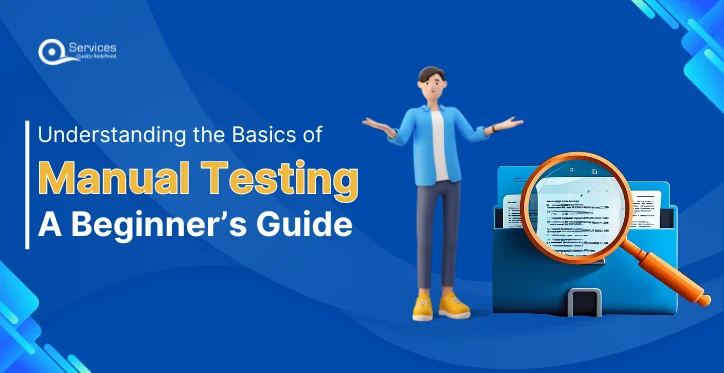
For beginners, manual testing can seem a bit daunting, but it’s one of the most crucial parts of the software development life cycle. It helps catch issues that automated tests might miss, such as usability problems, layout issues, or problems related to how the application is perceived by a user.

Founder and CEO

Chief Sales Officer