

Power Platform Governance Best Practices
How should you govern Power Platform without slowing delivery? Power Platform governance best practices give makers room to experiment without allowing an informal app or

Architecture map, prioritized backlog, 15/20/45 plan, and risk register — ready for your board.
One workflow shipped end-to-end with audit trail, monitoring, and full handover to your team.
Stabilize a stalled project, identify root causes, reset delivery, and build a credible launch path.
Monitoring baseline, incident cadence targets, and ongoing reliability improvements for your integrations.
Answer 3 quick questions and we'll recommend the right starting point for your project.
Choose your path →Turn scattered data into dashboards your team actually uses. Weekly reporting, KPI tracking, data governance.
Cloud-native apps, APIs, and infrastructure on Azure. Built for scale, maintained for reliability.
Automate manual processes and build internal tools without the overhead of custom code. Power Apps, Power Automate, Power BI.
Sales pipelines, customer data, and service workflows in one place. Configured for how your team actually works.
Custom .NET/Azure applications built for workflows that off-the-shelf tools can't handle. Your logic, your rules.
Every engagement starts with a clear plan. In 10 days you get:
Patient data systems, compliance reporting, and workflow automation for regulated environments.
Real-time tracking, route optimization, and inventory visibility across your distribution network.
Scale your product infrastructure, integrate third-party tools, and ship features faster with reliable ops.
Secure transaction processing, regulatory reporting, and customer-facing portals for financial services.
Get a clear plan in 10 days. No guesswork, no long proposals.
See case studies →Download our free checklist covering the 10 steps to a successful delivery blueprint.
Download free →15-minute call with a solutions architect. No sales pitch — just clarity on your project.
Book a call →
How should you govern Power Platform without slowing delivery? Power Platform governance best practices give makers room to experiment without allowing an informal app or

Every bank today is trying to do more with the same teams. Customer emails are increasing, compliance checks are getting stricter, and service expectations are becoming instant. Yet most internal processes still depend on manual steps. Employees move data from one screen to another, verify documents by hand, and follow long approval chains.
As this year closes, no-code automation is steering digital transformation across industries. Businesses that began with low-code tools are now scaling faster through Power platform development strategies. Many are realizing that innovation, security, and efficiency can coexist when automation is built on Microsoft Power platform.
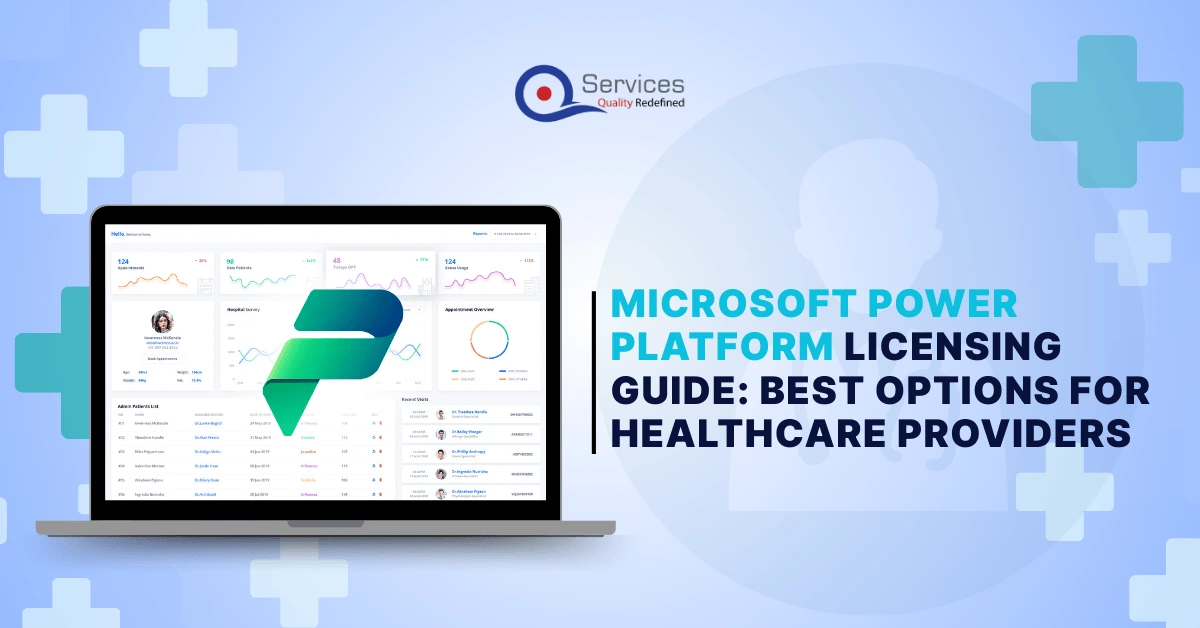
Microsoft Power Platform consists of several key components, including Power Automate, Power BI, Power Apps, and more. With these tools, organizations can meet the growing demands of customers and enhance operations.

Microsoft Power Platform is a suite of low-code/no-code tools that enable users to automate processes, build applications, analyze data, and create virtual agents. It is designed for business users, developers, and IT professionals to enhance productivity and digital transformation.

The Microsoft Power Platform offers an integrated set of tools that allows businesses to quickly develop, automate, and analyse applications and workflows. With its four main components—Power Apps, Power Automate, Power BI, and Power Virtual Agents—organizations can build custom solutions with minimal coding. This comprehensive guide will walk you through the entire
Join our live webinar on Sept 24 and see five
ways to automate meetings, approvals, and
document search with tools already in your
tenant.